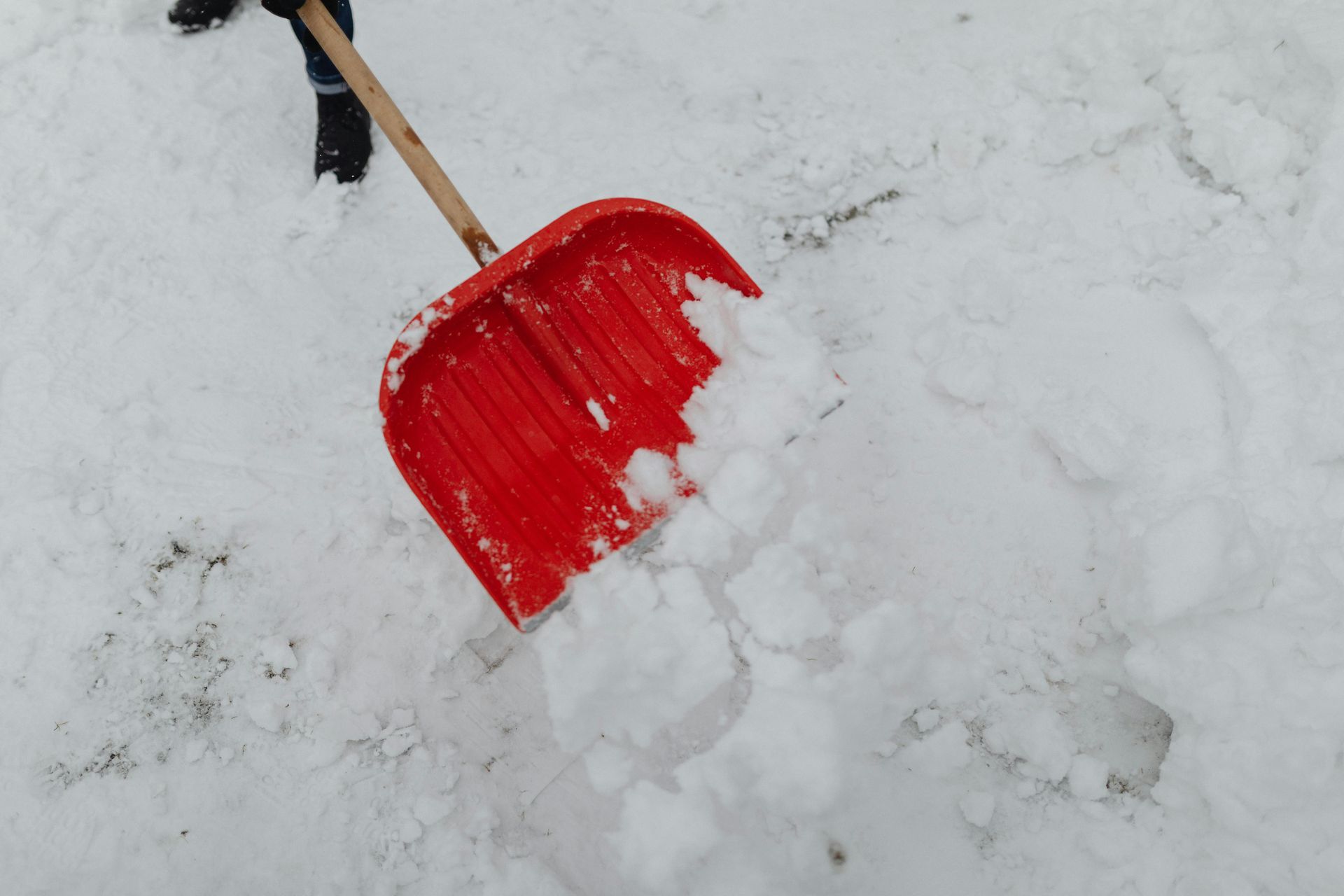
Spring Landscape Clean-Up Checklist for Chicago Homeowners
Spring cleanup in Chicago requires careful timing due to the region's unpredictable weather patterns, with the last frost typically occurring around mid-May and a 90% chance of frost-free nights by mid-May.
Key Takeaways
- Wait for dry soil conditions before beginning major cleanup work to prevent soil compaction
- Inspect trees and structures for winter damage before starting any landscape activities
- Remove debris systematically, working from trees down to ground-level plants
- Test soil readiness by squeezing a handful - it should crumble, not form a muddy ball
- Plan pruning based on plant type and flowering schedule for optimal results
- Consider hiring landscaping services in Chicago for complex tasks like large tree work or irrigation startup
Spring Cleanup Checklist for Chicago Homeowners
Use this checklist to track your spring cleanup progress and ensure no important tasks get overlooked:
Early Spring (March - Early April)
[ ] Remove winter plant covers and burlap wraps
[ ] Clear walkways and driveways of debris
[ ] Inspect trees for broken branches or storm damage
[ ] Check fences, gates, and hardscape for winter damage
[ ] Test soil readiness (squeeze test - should crumble, not form muddy balls)
[ ] Clean and organize garden tools
[ ] Inspect outdoor furniture for winter damage
Mid-Spring (April - Early May)
[ ] Remove debris from lawn (leaves, twigs, matted grass)
[ ] Rake snow mold areas gently to improve airflow
[ ] Cut ornamental grasses to 4-6 inches above ground
[ ] Trim dead foliage from perennials
[ ] Remove old, matted mulch from garden beds
[ ] Flush salt-damaged lawn areas with water
[ ] Schedule irrigation system startup
[ ] Clean outdoor light fixtures and replace bulbs
Plant Care Tasks
[ ] Prune spring-flowering shrubs after blooms fade
[ ] Remove dead, damaged, or crossing branches from trees
[ ] Divide overcrowded perennials
[ ] Apply compost to garden beds
[ ] Test soil pH if planning new plantings
[ ] Apply pre-emergent herbicide before the soil reaches 55 °F
Infrastructure and Equipment
[ ] Inspect hardscape for cracks, settling, or loose materials
[ ] Check deck railings and fence posts for stability
[ ] Clear blocked drains and downspouts
[ ] Service lawn equipment (oil changes, blade sharpening)
[ ] Test and adjust outdoor lighting timers
[ ] Inspect and repair garden hoses and connections
Late Spring (May)
[ ] Apply fresh mulch after the soil warms
[ ] Begin regular lawn mowing when grass reaches 3-4 inches
[ ] Plant warm-season annuals after May 15 (or Memorial Day for safety)
[ ] Apply first lawn fertilization when grass shows active growth
[ ] Overseed bare lawn patches
[ ] Install or update garden bed edging
Timing Your Spring Cleanup in Chicago
Chicago reaches the 50/50 point for frost risk around late April, but soil conditions matter more than air temperature when starting cleanup activities. Wet, muddy soil compacts easily under foot traffic, damaging root systems and creating drainage problems that persist throughout the growing season.
Check soil readiness before beginning any work by testing different areas of your property. Squeeze a handful of soil from various locations. Ready soil crumbles apart easily when squeezed. If it forms a muddy ball or feels squishy, wait several days for better drainage conditions before walking on beds or lawn areas.
The progression of spring cleanup follows Chicago's typical weather patterns. Early spring weather often fluctuates between freezing and mild temperatures, making this period ideal for assessment and planning rather than intensive garden work. As April progresses and the soil firms up, you can begin more intensive cleanup activities. The key is matching your efforts to both weather conditions and soil readiness rather than following a strict calendar schedule.
Tree and Shrub Assessment and Care
Winter storms frequently damage trees and shrubs in the Chicago area. Walk your property first to identify safety hazards like hanging branches, split trunks, or trees leaning toward structures. Ice storms and heavy snow loads cause the majority of winter damage, particularly to evergreen trees with dense foliage that catches snow.
Trees and shrubs that flower on previous year's growth, including forsythia, lilac, magnolias, and viburnum, should be pruned immediately after their flowers fade. This timing allows plants to develop new flower buds for next year. Summer-flowering shrubs like butterfly bush, rose of Sharon, and hydrangea can be pruned in early spring before new growth starts.
Priority pruning targets:
- Dead or damaged branches: Remove immediately to prevent disease spread and eliminate safety hazards
- Crossing branches: Cut competing growth that rubs against other branches, creating entry points for pests
- Water sprouts: Remove vigorous vertical shoots growing from trunks or main branches
- Diseased areas: Cut back to healthy wood, disinfecting tools between cuts with rubbing alcohol
- Storm-damaged limbs: Clean cuts heal better than torn or split wood left from storm damage
Proper pruning techniques:
Make cuts just outside the branch collar, the slightly swollen area where branches attach to the trunk. Avoid cutting flush against the trunk or leaving long stubs. For branches larger than 2 inches in diameter, use the three-cut method to prevent bark stripping.
Large tree work requires professional equipment and expertise. Any work above 10 feet, near power lines, or involving chainsaws should be handled by certified arborists. Landscaping companies in Chicago typically offer tree services, including pruning, removal, and hazard assessment, as part of seasonal landscaping programs.
Lawn Recovery After Winter
Chicago lawns face salt damage from winter de-icing, snow mold fungus, and soil compaction from snow removal equipment. Salt damage appears as brown, burned grass along sidewalks where road salt is concentrated. Snow mold creates circular patches of matted, grayish grass.
Start with thorough debris removal, including leaves, twigs, and any matted grass areas. Most snow mold resolves naturally as temperatures warm and air circulation improves. Raking affected areas gently helps speed recovery.
Common winter lawn problems:
- Salt burn along walks: Flush affected areas with water to dilute salt concentrations
- Compacted soil: Schedule core aeration for high-traffic areas
- Bare spots: Mark areas needing overseeding once soil temperatures reach 50-60 °F consistently
- Standing water: Note drainage problems for professional evaluation
Spring lawn care timing:
Wait until grass shows signs of active growth before beginning major lawn care activities, usually when soil temperatures reach 50 °F consistently. For Kentucky bluegrass and fine fescue lawns common in northern Illinois, dethatching should be done in late summer rather than spring.
Overseeding and fertilization:
Small bare patches can be repaired in spring once soil temperatures warm. Apply the first fertilizer application when grass begins active growth, typically in mid-April for the Chicago area, using a 3-1-2 or 4-1-2 ratio fertilizer.
Garden Bed Cleanup and Preparation
Perennial beds need attention after winter's effects on plant materials and protective mulch. Start cleanup when the soil firms up enough to walk on without leaving deep footprints. This usually occurs in early April, but can vary based on winter snowfall and spring temperatures.
Remove old plant debris while being careful not to damage emerging shoots from perennials. Many perennials like hostas and daylilies show new growth as pointed shoots pushing through the soil surface. Cut ornamental grasses to 4-6 inches above ground level using sharp pruning shears or hedge clippers. Trim dead foliage from perennials that weren't cut back last fall, cutting stems to within 2-3 inches of the ground.
Mulch management: Remove winter mulch gradually around plant crowns where new growth emerges, but leave mulch between plants until soil warms consistently above 50 °F. Old mulch that has decomposed into fine particles should be removed, as it can prevent water penetration.
Plant division timing: Early spring, before active growth begins, works well for dividing overcrowded perennials. Hostas, daylilies, and ornamental grasses benefit from division every 3-4 years. This timing also allows relocating plants that performed poorly in their current location.
Soil amendments: Add 2-3 inches of compost to existing beds, working it into the top 6 inches of soil. Test soil pH if you plan to add acid-loving plants. Apply pre-emergent herbicides before soil temperatures reach 55°F to prevent annual weeds like crabgrass.
Infrastructure and Hardscape Inspection
Freeze-thaw cycles damage concrete, stone, and irrigation systems throughout Chicago winters. Spring inspection identifies problems before they worsen and become expensive repairs.
Check patios, walkways, and retaining walls for cracks, settling, or loose materials. Look for areas where pavers have shifted or become uneven. Pay attention to areas where ice accumulated or salt was heavily applied. Note changes in drainage patterns or new erosion around structures.
Common hardscape problems:
- Concrete cracks: Seal small cracks with concrete caulk before they expand
- Loose pavers: Reset shifted pavers and add sand to joints as needed
- Settling steps: Note areas where steps have dropped or pulled away from foundations
- Damaged mortar: Repoint loose mortar in stone or brick structures
- Drainage issues: Clear blocked drains and note areas where water pools
System maintenance: Inspect wooden structures for winter damage, including loose boards and protruding nails. Professional irrigation startup services test system pressure, inspect sprinkler heads, and program controllers for spring conditions. Many landscape maintenance Chicago companies offer startup packages, including backflow preventer testing required by local codes.
Clean outdoor light fixtures, replace burned bulbs, and adjust timer settings for longer spring daylight hours. Check that fixtures remain properly aimed and that wiring connections stay secure.
Planning New Plantings and Landscape Improvements
Spring cleanup provides an opportunity to evaluate your landscape's winter performance and plan changes. Document which plants survived well, struggled, or died during the winter months.
Although May 15 is the recommended planting date for most of the Chicago area, frosts can occur after this date. Cautious gardeners often wait until Memorial Day before planting warm-season plants like tomatoes, peppers, and tender annual flowers.
Plan your maintenance schedule during spring cleanup to avoid forgetting important tasks during busy summer months.
Regular care schedules
keep landscapes healthy and reduce long-term maintenance costs.
Frequently Asked Questions
When should I start my spring cleanup in Chicago?
Begin when the soil is firm enough to walk on without leaving footprints or creating ruts. This usually occurs in early to mid-April, depending on winter weather.
Can I prune all my shrubs at the same time in early spring?
No, pruning timing depends on when plants flower. Spring bloomers should be pruned after flowers fade, while summer bloomers can be pruned in early spring.
How do I know if my lawn needs aeration?
Look for water pooling on the surface, difficulty pushing a screwdriver into the soil, or thin grass despite adequate watering and fertilizing.
Should I remove all mulch from garden beds each spring?
Remove only mulch that has become matted or decomposed to the point it blocks water penetration. Fresh mulch can be added over existing material that's still in good condition.
How do I find reliable landscaping services in Chicago for major cleanup work?
Check licensing and insurance status, read local reviews, and ask for references from recent customers. Many “landscaper near me in Chicago” searches help identify established local companies.
Final Thoughts
Spring landscape cleanup in Chicago requires patience and proper timing to achieve good results. Understanding local climate patterns and soil conditions helps you start work at the right time and avoid damage from working too early. Whether handling the work yourself or working with a hired landscaper Chicago professionals, a systematic approach addresses the most important tasks first and sets your property up for a healthy growing season.
Ready to restore your Chicago lawn? Contact Cityscape Landscape for expert sod installation and lawn care services. Get your free consultation today.
Reference:
https://www.mainelygrass.com/blog/how-to-fix-and-prevent-lawn-salt-damage